
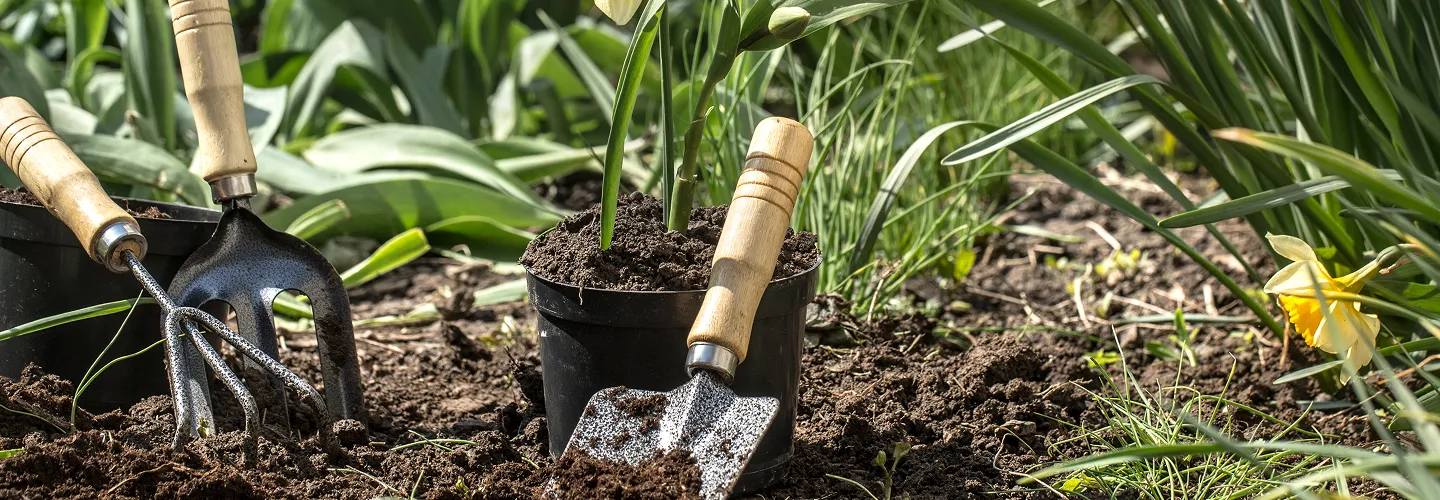
Power Ranch Lawn Seeding Services
Choose our professional lawn seeding services for lush, resilient grass that thrives in Power Ranch’s unique climate—enjoy a healthier, more beautiful yard with results you can see and feel.
Get a Free QuoteOur Power Ranch Landscaping & Yard Care Services
When to Schedule Lawn Seeding in Power Ranch, Arizona – Seasonal Guide
In Power Ranch, Arizona, timing your lawn seeding is crucial for achieving a lush, healthy yard that thrives in our unique desert climate. The best periods for seeding are typically early spring and early fall, when temperatures are moderate and the risk of extreme heat or frost is minimal. Local neighborhoods like The Groves and The Knolls benefit from seeding during these windows, as soil temperatures are optimal for seed germination and root establishment.
Environmental factors such as late spring frosts, summer drought risk, and the sandy, alkaline soils common in Power Ranch all play a role in determining the best time to seed. Areas with dense shade from mature mesquite or palo verde trees, or properties near the Power Ranch Community Lake, may require special consideration for moisture retention and sunlight exposure. For more information on local climate patterns and municipal guidelines, visit the Town of Sudbury's resource page.
Local Factors to Consider for Lawn Seeding in Power Ranch
- Tree density and shade coverage from native species
- Soil type (sandy, alkaline, or clay-rich)
- Seasonal precipitation and irrigation availability
- Risk of late frosts or early heat waves
- Terrain slope and drainage patterns
- Municipal watering restrictions or HOA guidelines
Benefits of Lawn Seeding in Power Ranch
Thicker, Healthier Lawns
Improved Curb Appeal
Enhanced Weed Resistance
Customized Grass Selection
Professional Seeding Techniques
Local Expertise in Power Ranch

Power Ranch Lawn Seeding Types

Bermuda Grass Seeding
-
Fescue Grass Seeding
-
Ryegrass Overseeding
-
Zoysia Grass Seeding
-
Buffalo Grass Seeding
-
Bluegrass Seeding
-
Native Grass Blends
Our Lawn Seeding Process
Site Evaluation
Soil Preparation
Seed Selection
Seeding Application
Watering and Maintenance
Why Choose Power Ranch Landscape Services
-
Power Ranch Homeowners Trust Us
-
Expert Lawn Maintenance
-
Reliable Irrigation Solutions
-
Comprehensive Weed Control
-
Competitive Pricing
-
Professional Team
-
Satisfaction Guarantee
Coordinating Lawn Seeding Projects with Gilbert Public Works in Power Ranch
Power Ranch is a master-planned community within the Town of Gilbert, and lawn seeding projects in this area fall under Gilbert's municipal framework for stormwater management, green waste handling, and landscape-related site work. Residents and property managers planning lawn seeding should coordinate with the Town of Gilbert's public works infrastructure to ensure that excess seed, soil amendments, and irrigation runoff do not enter the community's storm drain system. Gilbert operates under Arizona's Phase II Municipal Separate Storm Sewer System (MS4) program, which means sediment and organic material from seeding projects must be contained on-site. Before beginning any lawn seeding effort, property owners should verify current green waste disposal procedures for removed turf debris or old sod through the Town's public works division.
- Confirm that soil preparation debris, old turf material, and packaging are disposed of through Gilbert's approved waste channels
- Prevent seed, fertilizer, and loose soil from migrating into curb inlets, retention basins, or community washes
- Coordinate irrigation schedules during establishment to avoid excess runoff onto sidewalks, streets, or neighboring properties
- Review any HOA-specific landscape modification requirements through the Power Ranch Community Association before beginning work
Gilbert Public Works Department
90 E. Civic Center Dr., Gilbert, AZ 85296
Official Website: Gilbert Public Works Department
How Power Ranch's Low-Desert Heat and Alkaline Soils Affect Lawn Seeding
Power Ranch sits in the Phoenix metro low-desert environment, classified within USDA Hardiness Zone 9b to 10a, where summer temperatures routinely exceed 110°F and winter lows rarely drop below the mid-30s. These conditions directly shape every aspect of lawn seeding success. Soils throughout the community are predominantly alkaline, often with pH levels above 8.0, and many lots contain compacted subdivision fill or caliche layers at shallow depth. These conditions impede root penetration and reduce water infiltration unless properly amended before seeding. The University of Arizona Cooperative Extension identifies bermudagrass as the primary warm-season turf suited to this region, with perennial ryegrass used for winter overseeding.
- Soil alkalinity: High pH reduces nutrient availability for phosphorus and iron, both critical during seed germination and early establishment
- Caliche and compaction: Hardpan layers restrict root development and cause surface pooling; mechanical soil preparation is often necessary before seeding
- Reflected heat: Block walls, concrete driveways, and decorative rock common in Power Ranch amplify surface temperatures, accelerating soil moisture loss around newly seeded areas
- Irrigation dependence: Without consistent, frequent irrigation during the germination window, seed desiccates rapidly in low-desert humidity conditions
- Monsoon exposure: Summer storms between July and September can wash away unsealed seed and deposit sediment into retention basins and community drainage corridors
Navigating Power Ranch's Environmental and Stormwater Compliance for Lawn Seeding
Lawn seeding in Power Ranch must comply with several layers of environmental regulation. The Town of Gilbert participates in Arizona's Phase II MS4 stormwater program, which requires that landscape activities prevent pollutant discharge into the municipal storm sewer system. Seed, soil amendments, and fertilizers applied during lawn establishment are considered potential pollutants if they enter washes, retention basins, or street drainage infrastructure. Gilbert's Environmental Compliance division provides guidance on pollution prevention practices applicable to residential and commercial landscape projects.
- Fertilizers and soil amendments used during seeding must be applied at agronomic rates to prevent nutrient-laden runoff from reaching storm drains, consistent with Clean Water Act protections
- Any pesticide or pre-emergent herbicide applied in conjunction with seeding must be handled by applicators licensed through the Arizona Department of Agriculture
- Excess irrigation water from seed establishment must not flow off the property into streets, curb inlets, or adjacent lots
- The Arizona Department of Water Resources encourages efficient irrigation design as part of any turf establishment project within the Phoenix Active Management Area
Gilbert Environmental Compliance
90 E. Civic Center Dr., Gilbert, AZ 85296
Official Website: Gilbert Environmental Compliance
Timing Lawn Seeding Around Power Ranch's Monsoon Season and Frost Windows
Professional lawn seeding in Power Ranch follows two distinct timing windows dictated by turf species and regional climate. Bermudagrass seeding is performed during late spring through early summer, typically from mid-April through June, when soil temperatures consistently exceed 65°F and daytime air temperatures support rapid germination. Winter overseeding with perennial ryegrass occurs in October, after bermudagrass begins dormancy but before nighttime temperatures regularly fall below 55°F. The University of Arizona's turfgrass maintenance guide provides detailed establishment protocols for low-elevation Arizona communities.
- Seed-to-soil contact: Proper site preparation including dethatching, vertical mowing, or light topdressing is essential to ensure seed reaches the soil surface rather than sitting on thatch or debris
- Irrigation frequency during establishment: Newly seeded areas typically require multiple short irrigation cycles per day to keep the top layer of soil consistently moist without creating runoff
- Mowing after germination: Initial mowing should occur only after new grass reaches a height appropriate to the species, generally around 2 inches for bermudagrass and 3 inches for perennial ryegrass
- Avoid seeding during monsoon peak: July and August storms produce intense, unpredictable rainfall that can erode seed beds and deposit sediment into community drainage systems
- Post-seeding fertilization: Starter fertilizers should be applied conservatively and watered in immediately to minimize surface exposure and runoff risk
Power Ranch Neighborhood Parks
Official Website: Power Ranch Neighborhood Parks
What Neighborhoods Do We Serve Throughout Power Ranch, AZ?
- The Villages at Power Ranch: Established single-family homes with mature bermudagrass lawns that frequently require overseeding to address thinning from summer heat stress and heavy foot traffic near community amenities
- Power Ranch Estates: Larger lot sizes with expansive turf areas where irrigation uniformity and soil amendment depth are critical factors for successful seed establishment across broad lawn surfaces
- Saguaro Shadows: Properties adjacent to community parks and open spaces where drainage patterns and retention basin proximity require careful runoff management during seed establishment irrigation
- Sonoran Ridge: Homes with compact rear yards bordered by block walls, creating reflected heat zones that demand precise irrigation scheduling and heat-tolerant seed selection
- Canyon Trails: Lots near community walking paths and wash corridors where erosion control and sediment containment are essential during any lawn seeding or overseeding project