
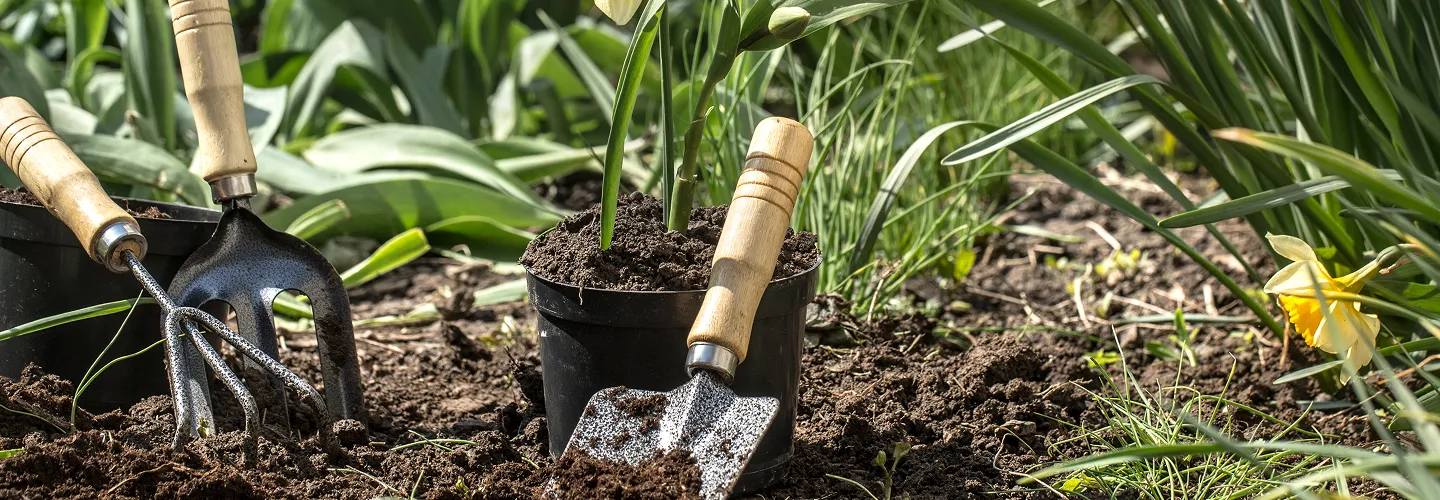
Power Ranch Flower Planting Services
Choose our Flower Planting services for expert design, healthy plants, and vibrant color that lasts all season—making your landscape the envy of the neighborhood.
Get a Free QuoteOur Power Ranch Landscaping & Yard Care Services
When to Schedule Flower Planting in Power Ranch, Arizona – Seasonal Guide
In Power Ranch, Arizona, timing your flower planting is crucial for vibrant, long-lasting blooms. The region’s unique climate—marked by hot summers, mild winters, and occasional monsoon rains—means that early spring and late fall are generally the best windows for planting. Local neighborhoods like The Groves and The Knolls benefit from slightly varied microclimates, but all residents should be mindful of the last frost date, typically in late February, and the onset of summer heat by May. Soil in Power Ranch tends to be sandy with moderate drainage, so amending with organic matter can help flowers thrive.
Environmental factors such as drought risk, humidity, and shade from mature trees in areas like The Arbors can influence planting success. It’s also important to consider municipal watering restrictions and HOA guidelines, which may affect when and how you can plant. For more detailed local regulations, consult the official town resources.
Local Factors to Consider for Flower Planting in Power Ranch
- Proximity to mature trees and resulting shade coverage
- Soil composition and drainage, especially in newer developments
- Average precipitation and risk of drought during summer months
- Terrain variations, such as sloped yards or low-lying areas
- Municipal or HOA restrictions on watering and landscaping
- Frost dates and seasonal temperature swings
- Exposure to wind, particularly in open spaces near community parks
Benefits of Flower Planting in Power Ranch
Enhanced Curb Appeal
Increased Property Value
Expert Local Knowledge
Customized Plant Selection
Seasonal Color Variety
Low-Maintenance Solutions

Power Ranch Flower Planting Types

Annual Flower Beds
-
Perennial Garden Design
-
Native Wildflower Plantings
-
Seasonal Color Rotations
-
Drought-Tolerant Flower Selections
-
Pollinator-Friendly Plantings
-
Shade Garden Flowers
Our Flower Planting Process
Site Evaluation
Soil Preparation
Plant Selection
Careful Planting
Watering and Mulching
Why Choose Power Ranch Landscape Services
-
Power Ranch Homeowners Trust Us
-
Expert Lawn Maintenance
-
Reliable Irrigation Solutions
-
Comprehensive Weed Control
-
Competitive Pricing
-
Professional Team
-
Satisfaction Guarantee
Coordinating Flower Planting Projects with Gilbert's Municipal Programs in Power Ranch
Power Ranch is a master-planned community within the Town of Gilbert, and flower planting projects on residential and commercial properties should align with municipal landscape and environmental standards. The Town of Gilbert's Public Works Department oversees infrastructure that intersects with planting activity, including stormwater conveyance, right-of-way maintenance, and green waste collection. Residents planning flower installations near sidewalks, retention basins, or community drainage corridors should verify that planting does not obstruct drainage flow or encroach into public easements. The Power Ranch Neighborhood Parks resource provides context on community open spaces and common-area landscape standards that may influence planting choices adjacent to shared amenities. Property managers should also confirm HOA architectural review requirements before modifying visible landscape beds.
- Verify that flower bed grading does not redirect runoff toward neighboring lots or public drainage infrastructure
- Coordinate green waste disposal from bed preparation through the Town of Gilbert's bulk collection procedures
- Confirm with the HOA whether proposed plant species and bed configurations require design review approval
Gilbert Public Works Department
Official Website: Gilbert Public Works Department
How Power Ranch's Low-Desert Heat and Alkaline Soils Affect Flower Planting
Power Ranch sits within the Phoenix metro low-desert environment, classified under USDA Hardiness Zone 9b to 10a, where summer temperatures routinely exceed 110°F and winter lows rarely drop below 30°F. These extremes define which flowering species can survive and when planting should occur. Soils throughout the community are predominantly alkaline, often with a pH above 7.5, and may include layers of caliche or compacted subdivision fill that restrict root penetration and drainage. The Arizona Department of Water Resources emphasizes water-efficient landscaping practices suited to these conditions, and flower planting in Power Ranch should prioritize desert-adapted or low-water-use species.
- Soil alkalinity can cause iron chlorosis in non-adapted species, resulting in yellowed foliage and poor bloom production
- Caliche layers may require mechanical breaking or raised bed construction to ensure adequate root depth and drainage
- Reflected heat from block walls, concrete driveways, and decomposed granite surfaces intensifies thermal stress on flowers planted along south- and west-facing exposures
- Monsoon runoff between July and September can wash out newly planted beds, erode mulch, and deposit sediment into drip emitter zones
Navigating Power Ranch's Environmental and Stormwater Compliance for Flower Planting
Flower planting in Power Ranch must account for the Town of Gilbert's environmental compliance framework, particularly regarding stormwater quality and runoff prevention. Gilbert operates under Arizona's Phase II Municipal Separate Storm Sewer System (MS4) program, administered through Arizona DEQ stormwater regulations, which require that landscaping activities do not introduce sediment, fertilizer, or soil amendments into storm drains, washes, or retention basins. Excess soil, organic debris, and chemical runoff from flower bed preparation are regulated pollutants under the Clean Water Act.
- Soil amendments and fertilizers applied during flower planting must be contained within the bed area and not allowed to migrate into curb inlets or drainage channels
- Properties adjacent to washes or flood-control channels should maintain vegetated buffers and avoid disturbing existing grade near drainage infrastructure
- Any use of pesticides or herbicides during bed preparation requires compliance with Arizona Department of Agriculture licensing requirements for commercial applicators
Gilbert Environmental Compliance
Official Website: Gilbert Environmental Compliance
Timing and Methods for Flower Planting in Power Ranch's Desert Climate
Professional flower planting in Power Ranch follows two primary installation windows dictated by the low-desert climate. The fall window, from mid-October through November, allows cool-season annuals such as petunias, snapdragons, pansies, and stock to establish root systems before winter. The spring window, from late February through early March, suits warm-season and desert-adapted species including vinca, lantana, desert marigold, and angelita daisy before summer heat intensifies. Planting outside these windows significantly increases transplant shock and mortality rates.
- Soil preparation should include amending alkaline native soil with sulfur or organic compost to improve nutrient availability, and breaking through compacted layers to a depth of at least 8–12 inches
- Drip irrigation with individual emitters placed at each plant's root zone is the standard method; overhead spray wastes water and promotes foliar disease in arid conditions
- Mulch application of 2–3 inches of organic or decorite material helps moderate soil temperature and reduce evaporation, but mulch should be kept away from plant stems to prevent crown rot
- Hydrozoning groups flowers by water demand, preventing overwatering of drought-tolerant species and underwatering of moderate-use varieties within the same bed
- Morning planting is strongly preferred during transitional months to reduce heat stress on transplants during the critical first 24–48 hours
Gilbert Engineering Services
Official Website: Gilbert Engineering Services
What Neighborhoods Do We Serve Throughout Power Ranch, AZ?
- The Villages at Power Ranch — Mature landscape beds along community pathways and common areas create opportunities for coordinated flower planting that complements existing desert-adapted plantings and drip irrigation infrastructure.
- Power Ranch Neighborhood 1 (The Estates) — Larger lot sizes with extended south-facing exposures require careful species selection and emitter placement to manage reflected heat from expansive hardscape.
- Willowbrook at Power Ranch — Properties near community lakes and retention features should account for higher ambient humidity and potential runoff interaction when establishing flower beds.
- Saguaro Shadows — Compact lot configurations with block-wall perimeters intensify radiant heat, making west-facing bed placement particularly challenging for heat-sensitive annuals.
- Pecos Park area — Proximity to community park spaces and pedestrian corridors means flower planting should maintain clear sightlines and comply with any HOA frontage appearance standards.